











OKLAHOMA CITY –
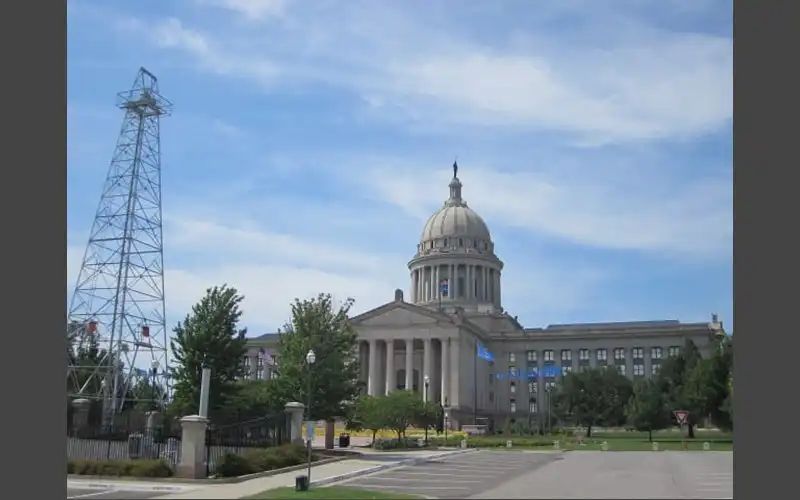
Oklahoma lawmakers are preparing to return to the Capitol for the 2026 legislative session, with thousands of bills expected to be filed ahead of the February start. Political analyst Scott Mitchell said only a small fraction of proposals are likely to reach the governor’s desk, noting many measures are filed for messaging during an election year.
Mitchell said the session will again draw national attention as lawmakers debate hot-button issues while positioning themselves ahead of statewide races.
Senate Priorities
Budget negotiations are required, but Mitchell said education and health care are emerging as top priorities in the Senate. Education concerns intensified following recent data presentations that ranked Oklahoma poorly in several key areas.
Mitchell said Senate leaders are expected to focus heavily on literacy and increasing the amount of time students spend in classrooms. Senate President Pro Tem Lonnie Paxton has pointed to Oklahoma lagging behind national and international averages for instructional days, arguing that students need more time with teachers to improve outcomes.
Legislative Relationships
Mitchell described Paxton as a consensus builder who has worked to reduce friction between the House, Senate and governor’s office. He said that approach helped smooth the previous session and could be critical as lawmakers tackle complex issues tied to education funding and structural reforms.
Mitchell said Paxton believes disagreement can strengthen legislation when lawmakers listen to opposing views and adjust proposals during the session.
Governor’s Race Watch
Attention is also turning to the 2026 governor’s race. Mitchell said Attorney General Gentner Drummond and former House Speaker Charles McCall currently lead polling, but several potential candidates are being closely watched.
He said a third major entrant could force a competitive primary and runoff, adding uncertainty to the race. Mitchell expects no candidate to secure the nomination outright without a runoff election.
Other Statewide Races
Mitchell said discussions could emerge about the future of some statewide elected offices, including whether voters can effectively evaluate candidates in down-ballot races. Any changes would require legislative action and voter approval.
Mitchell summed up the coming months by saying lawmakers face a compressed timeline to handle major policy debates while preparing for high-stakes elections, calling the session both short and intense.






