











OKLAHOMA CITY, OKLA (KOKH) — As national conversations about nuclear testing resurface, an Oklahoma-based documentary is putting a human face on the lasting consequences.
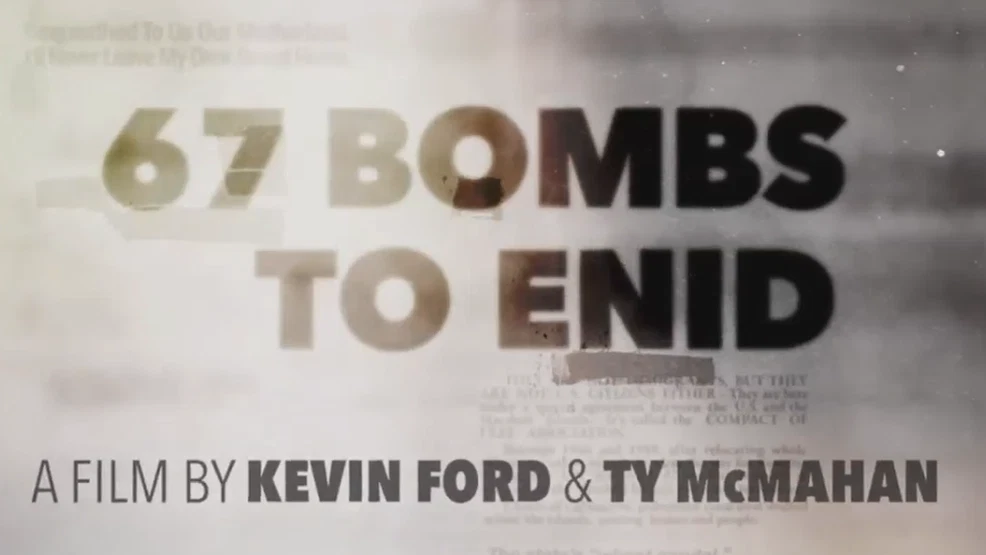
“67 Bombs to Enid” examines 67 nuclear weapons tests conducted by the U.S. government in the Marshall Islands between 1946 and 1958.
Today, many Marshallese families call Enid home, inspiring three filmmakers to tell the story of what they describe as a resilient community.
Ty McMahan said the filmmakers came across the story locally.
“We discovered this story in Enid, Oklahoma, about the Marshallese community there. A lot of people don’t realize that we have this Pacific Islander community here in Oklahoma. And the backstory on why they’re here is truly jaw dropping,” McMahan said
The film blends archival footage with firsthand accounts, including survivors who witnessed the blast.
Kevin Ford said the documentary is intended to connect the Marshallese experience to current discussions about nuclear testing.
That’s something that we really wanted to show. We present the story as we have. Hopefully the voice of the Marshallese people can serve as an actual warning to what we’re talking about right now when we talk about new nuclear testing that’s about to happen. Because again, the land and the people can be radiated, poisoned for generations to come,” Ford said.
The documentary has won multiple awards and drawn international attention, including a collaboration with the United Nations on an upcoming human rights report.
For now, the film has returned to the screen at the Oklahoma City Museum of Art, where it played to a sold-out audience. Filmmakers said the story is ultimately about community.
“They are legal residents of the United States. They can come and go freely. They can live here. They can work here,” McMahan said.
McMahan emphasized the local ties and the need for support.
“These are our neighbors. These are fellow Oklahomans. And we can do more to help them after this horrific tragedy and this nuclear legacy that they have to live with for the rest of their lives,” McMahan said.






