











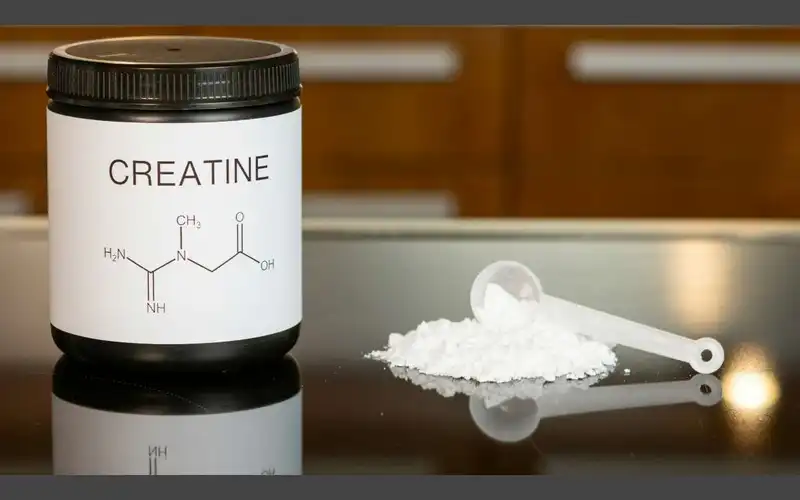
As more people set fitness goals for 2026, interest in supplements is rising alongside New Year’s resolutions.
Fitness has steadily grown as a top resolution in recent years. Surveys show 39% of people listed fitness as their main goal in 2023, increasing to 48% in 2024 and 60% in 2026. With that growth, health experts say many people are asking how supplements like creatine fit into a healthy routine.
What creatine is and how it works
According to the Cleveland Clinic, creatine is a compound made from three amino acids that helps supply muscles with energy and strength. Research shows it can improve exercise performance, support muscle growth and reduce muscle fatigue.
Creatine is also naturally found in food and does not always require supplementation. It is most commonly found in animal products, including red meat, fatty fish and some dairy products.
Potential benefits
For people who do take creatine supplements, the Cleveland Clinic reports users may gain two to four pounds of muscle over four to 12 weeks compared to people who do not supplement.
Researchers are also studying benefits beyond athletic performance. Preliminary studies suggest creatine may support cognitive function, sleep and bone health. A 2024 study found creatine supplements may help manage depression in women and adolescents. However, that same research raised concerns about increased manic episodes in people with bipolar disorder.
Who should avoid creatine
Medical professionals caution that creatine is not safe for everyone. People with active kidney disease or certain chronic health conditions should avoid using creatine unless advised by a healthcare provider.
For those who are cleared to use it, experts recommend choosing supplements that are third-party tested. Specialists say creatine monohydrate in powder form is the preferred option.
Health professionals stress that anyone considering supplements as part of a fitness plan should consult a medical provider to determine what is safe and appropriate for their individual needs.






