










TULSA, Okla. –News that former Oklahoma Sooners star Jalen Hurts was sidelined for the season because of blood clots in his lungs has raised questions about how blood clots develop and why they can become dangerous.
Dr. Stacy Chronister, an internal medicine specialist and professor at Oklahoma State University Center for Health Sciences, discussed blood clots with News On 6, explaining how they form, the risks associated with them and what people can do to help prevent them.
Blood clotting is a normal function that helps the body stop bleeding after an injury. However, clots can become dangerous when they form inside blood vessels and begin to grow or travel to other parts of the body.
What are blood clots, and how common are they?
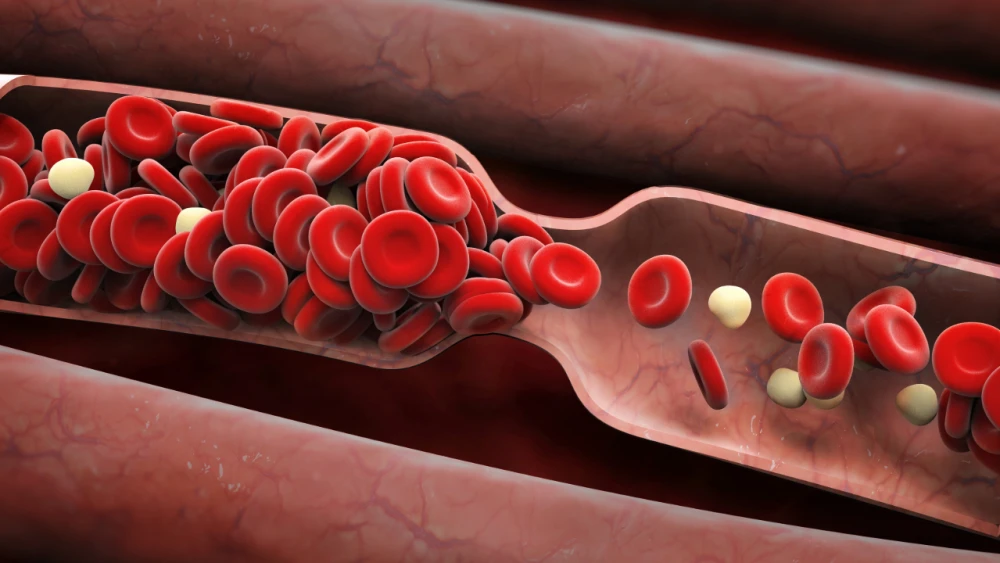
The body is designed to form blood clots to stop bleeding, making clotting an important part of protecting the body after an injury. Problems arise when clots form in places where they shouldn’t, such as inside a vein, where they can grow and interfere with blood flow.
“So our bodies are designed to clot. That’s how we stop bleeding,” Chronister said.
Blood clots are a common diagnosis. Chronister said more than 1 million people in the United States are diagnosed each year.
How can injuries and prolonged sitting increase clot risks?
Several factors can contribute to clot formation, including damage to a blood vessel, blood that is not moving normally and other risk factors, such as dehydration or smoking.
An injury can damage blood vessels and surrounding tissue, causing inflammation and slowing blood flow. Sitting for long periods can also contribute to the risk.
Chronister discussed those factors in the context of the reported timeline involving Hurts, which included a calf injury and a flight lasting several hours.
“First you have to have damage. You have to have stagnant blood, so maybe not moving a lot and then maybe even dehydration or smoking,” Chronister said.
She explained that having multiple risk factors at the same time can create conditions that make a blood clot more likely to develop. People recovering from surgery or those who must remain in a cast may also face increased risks because of injury and reduced movement.
What is deep vein thrombosis, and what are the warning signs?
Deep vein thrombosis occurs when a blood clot forms in a deep vein, often in the leg. Chronister explained that clots in superficial veins differ from those in deeper veins, which can become particularly concerning if a clot breaks loose and travels through the bloodstream.
Swelling, redness and tenderness in one leg can be warning signs. Chronister emphasized the importance of noticing when one leg looks noticeably different from the other, rather than assuming swelling is caused by fluid retention affecting both legs.
Deep veins are larger than the smaller vessels closer to the skin, and clots in these veins can become large.
People who notice concerning symptoms should seek medical evaluation rather than ignore them.
What happens when a blood clot travels to the lungs?
A pulmonary embolism occurs when a blood clot travels to the lungs and blocks a blood vessel.
Chronister explained that blood returning from the body passes through the heart before traveling to the lungs. If a clot breaks loose from a vein and becomes lodged in the lungs, it can interfere with the body’s ability to oxygenate blood.
A pulmonary embolism can be a serious medical condition that requires prompt treatment. The possibility of a clot moving through the bloodstream is one reason it is important to recognize symptoms and seek medical evaluation when a blood clot is suspected.
Who is at risk for blood clots, and how can they be prevented?
Chronister identified several potential risk factors, including smoking, dehydration, hormone use, certain genetic conditions or a family history of blood-clotting disorders, blood vessel or tissue damage and prolonged periods of limited movement.
Prevention depends on a person’s individual circumstances and risk factors. Chronister emphasized the importance of movement when possible, particularly for people recovering from surgery or dealing with an injury that limits mobility.
People recovering from surgery may receive blood thinners to help reduce the risk of clots. Those who are in a cast may still be able to move other parts of their bodies to help maintain circulation.
Chronister also discussed elevating an affected limb as a way to help blood return toward the heart.
People concerned about their risk should talk with a health care professional about appropriate precautions.
Why recognizing the warning signs matters
Blood clots serve an important purpose in the body, but they can become dangerous when they form inside veins, grow or travel to other parts of the body.
Chronister emphasized the importance of paying attention to potential warning signs, including swelling, redness and tenderness in one leg, and seeking medical evaluation when symptoms are concerning.
Recognizing the risks and taking appropriate precautions can help people understand when a possible blood clot needs medical attention.









