











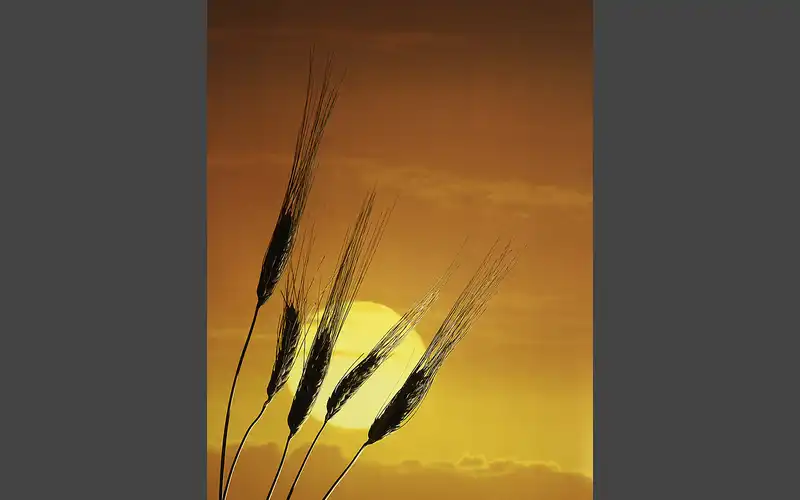
Oklahomans can expect extended daylight hours as summer officially began June 21.
Get ready for the longest day and shortest night of the year. The summer solstice arrives June 21, officially kicking off summer in the Northern Hemisphere and giving Oklahomans more daylight than any other day in 2026.
Quick Facts
- The summer solstice on June 21 marks the official start of summer in the Northern Hemisphere.
- The solstice brings the longest period of daylight and the shortest night of the year.
- The event happens because Earth’s axis is tilted toward the sun during its orbit.
- Oklahoma residents can expect extended daylight hours and seasonal summer temperatures following the solstice.
In Oklahoma, the summer solstice means earlier sunrises, later sunsets and extended evening daylight hours. In Tulsa, the sun will rise around 6:07 a.m. and set near 8:44 p.m. on the solstice, providing more than 14 hours of daylight.
The extra daylight gives Oklahomans more time for evening walks, trips to the lake, outdoor concerts and backyard barbecues, making the summer solstice the perfect kickoff to the season’s long days and outdoor adventures.
What is the summer solstice?
The word “solstice” comes from Latin words meaning “sun” and “standing still.” The event happens twice each year — once in June and once in December.
During the June solstice, the Northern Hemisphere is tilted toward the sun, allowing the Northern Hemisphere to receive its greatest amount of daylight.
The summer solstice has cultural, agricultural and astronomical significance around the world. Many communities celebrate the event with festivals, outdoor gatherings and seasonal traditions.
In Oklahoma, the solstice also signals the arrival of peak summer heat and increased outdoor recreation activities, including lake travel, festivals and vacations.
Fun Facts
- Meteorological summer begins June 1, nearly three weeks before the summer solstice officially ushers in astronomical summer.
- Solstices and equinoxes are opposite astronomical events. Solstices bring the year’s longest and shortest days, while equinoxes occur when day and night are nearly equal in length.









