











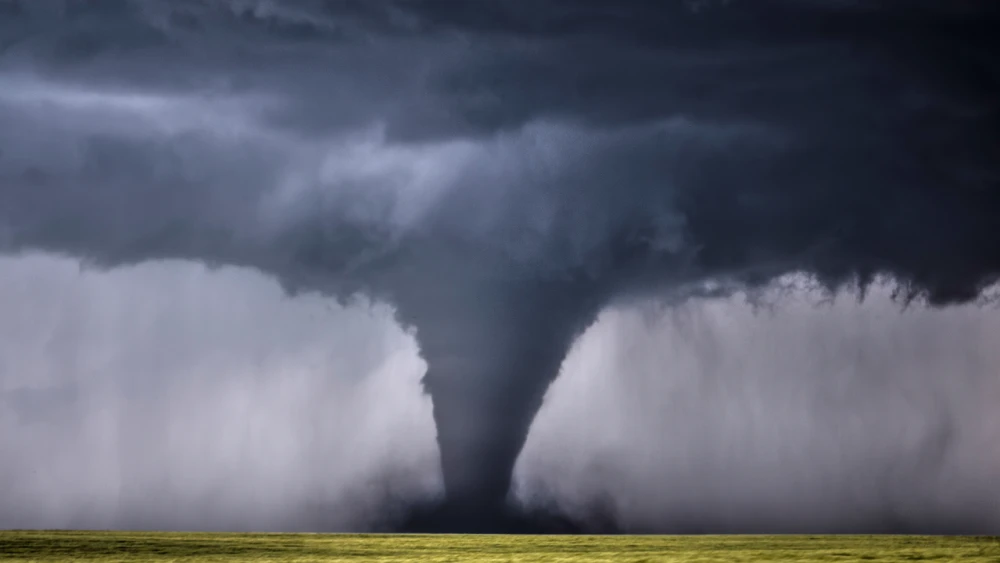
Parents across Oklahoma often prepare for severe weather with safety plans, but many also face another challenge: helping children understand storms without becoming overwhelmed or afraid.
Experts say the way adults talk about tornadoes, thunderstorms and flooding can make a big difference in how kids respond before, during and after severe weather.
What should parents tell kids about severe weather?
Start with simple, clear explanations based on a child’s age.
Younger children do not need detailed science. Instead, explain what is happening in a way they can understand.
- A tornado can be described as a “strong spinning wind.”
- A thunderstorm can be explained as “rain, lightning and loud thunder.”
The American Academy of Pediatrics recommends being honest while avoiding unnecessary details that could increase fear.
How can parents prepare kids before a storm?
Preparation helps children feel more in control and less anxious.
Parents can:
- Show kids where the safe place is in the home
- Practice going to that space during a drill
- Explain what items to bring, like shoes or a flashlight
Meteorologists encourage families to practice severe weather plans so children know what to expect.
How do you keep kids calm during severe weather?
Children often look to adults to decide how to react.
To help keep kids calm:
- Speak in a steady, reassuring voice
- Stay physically close when possible
- Focus on what is being done to stay safe
Even small actions, like sitting together in a shelter area, can help reduce fear.
Should kids watch storm coverage?
Limiting exposure to intense storm coverage can help reduce anxiety.
Continuous images of the radar, damage and urgent warnings may be overwhelming, especially for younger children.
Parents can:
- Turn off the TV once immediate danger has passed
- Avoid repeated exposure to dramatic video
- Answer questions instead of letting kids interpret coverage on their own
What comfort items help kids during storms?
Familiar items can make a stressful situation feel safer.
Consider bringing:
- Blankets or pillows
- A favorite stuffed animal
- Books, coloring supplies or quiet games
Giving kids something to focus on can help shift attention away from fear.
Can giving kids a job help?
Yes. Giving children a small role can help them feel more in control.
Examples include:
- Carrying a flashlight
- Helping gather supplies
- Bringing shoes or helmets
These tasks provide a sense of responsibility and can reduce anxiety.
What should parents do after the storm?
After severe weather passes, check in with children about how they feel.
Parents can:
- Ask what they were thinking or worried about
- Correct misunderstandings
- Reassure them that they are safe
Some children may continue to feel anxious, especially after repeated storms. Keeping communication open can help them process those emotions.
Why talking about severe weather matters
In states like Oklahoma, severe weather is a regular part of life that can happen any time of the year. Helping children understand what is happening and what keeps them safe can make storms less frightening.
By focusing on preparation, clear communication and reassurance, parents can help children feel more confident the next time severe weather moves in.









