











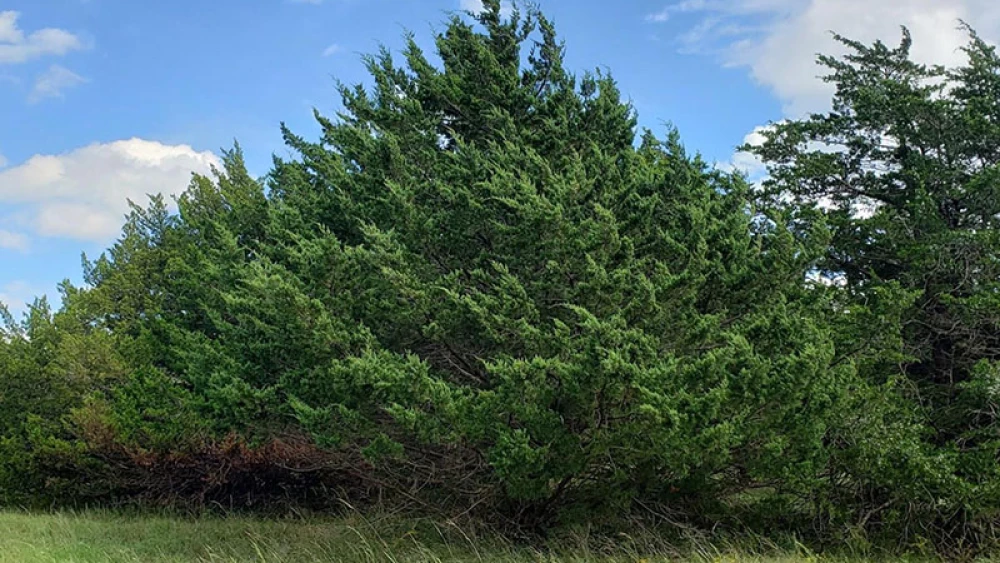
Allergy seasons come in all shapes and sizes across Oklahoma. And even when the winter cold settles in, many Oklahomans still find themselves sniffling and sneezing due to a common winter culprit: Those pesky mountain cedar trees.
What is Cedar Fever?
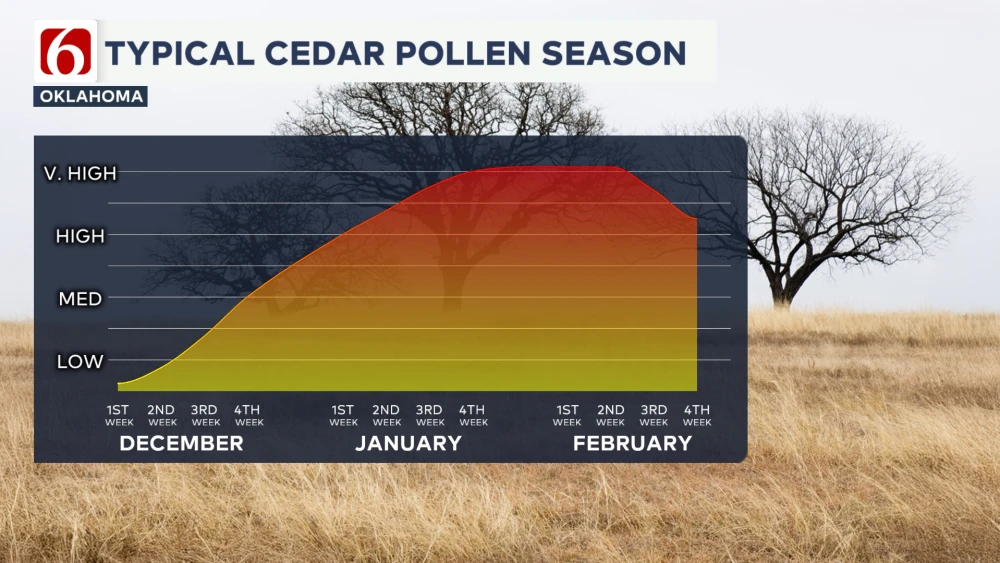
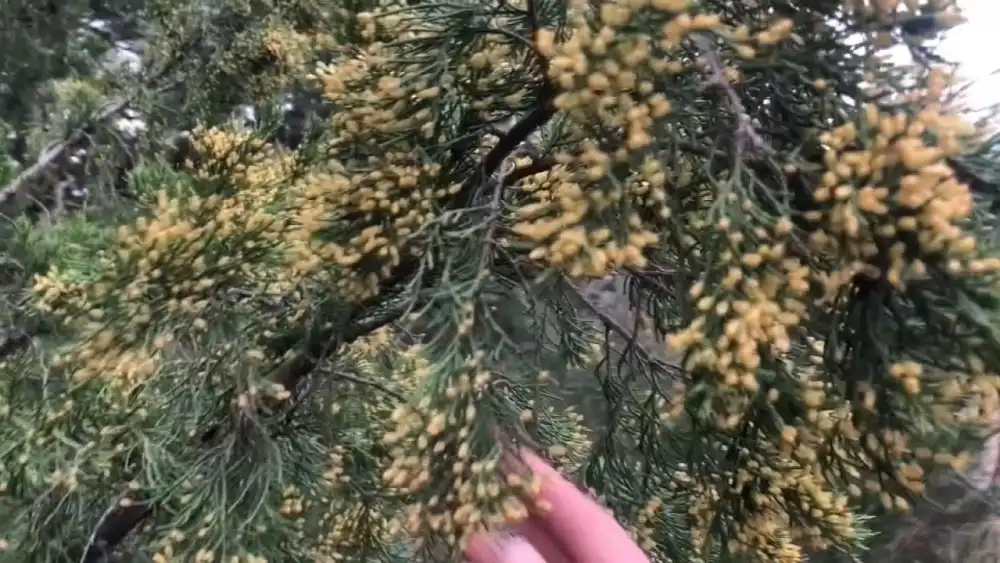
According to the Oklahoma Allergy & Asthma Clinic, “Cedar Fever” is an allergic reaction to pollen from mountain cedar trees which thrive in regions like Oklahoma, Texas, Arkansas, and Missouri. Unlike most seasonal allergies that peak in spring and summer, Cedar Fever occurs in the wintertime with pollen levels surging from late November to February. It often reaches a peak from January through February.
Our frequently strong Oklahoma winds can help those pollens travel long distances, increasing exposure to the cedar pollens even far away from trees.
What are the symptoms?
Oklahomans still find themselves sniffling and sneezing due to a common winter culprit: Those pesky mountain cedar trees.
What is Cedar Fever?
According to the Oklahoma Allergy & Asthma Clinic, “Cedar Fever” is an allergic reaction to pollen from mountain cedar trees which thrive in regions like Oklahoma, Texas, Arkansas, and Missouri. Unlike most seasonal allergies that peak in spring and summer, Cedar Fever occurs in the wintertime with pollen levels surging from late November to February. It often reaches a peak from January through February.
Our frequently strong Oklahoma winds can help those pollens travel long distances, increasing exposure to the cedar pollens even far away from trees.
Managing and Preventing Cedar Fever Symptoms
If your symptoms are mild to moderate, experts say that over-the-counter antihistamines, nasal sprays, or decongestants can usually bring you some much-needed relief.
For more persistent symptoms, experts say prescription medications may be a better option. Beyond finding the right medications, reducing exposure to cedar pollen as much as possible is key, especially for individuals with asthma or more severe symptoms.
- Make sure you’re monitoring pollen counts in your area.
- On days with very high pollen levels, limit your time outdoors and consider wearing a mask if you need to be outside for extended periods.
- At home, keep windows closed during peak pollen times and change air filters regularly.









